

Naa Marni Niipurna

Hello Friends

Our understanding of relationships is inspired and informed by Aboriginal and Torres Strait Islander People’s knowledge and practice that sees all things as interrelated.

Kaurna

Kaurna Land spans from Crystal Brook in the north. Cape Jervois in the south, the Adelaide hills in the east and waters in the west. Kaurna land borders Nukunu, Ngarrindjeri, Peramangk, Narungga and Ngadjuri. The term ‘Kaurna’ likely finds 
it’s roots from the neighbouring Ramindjeri/Ngarrindjeri language, showing the closeness between Aboriginal lands.

We acknowledge the Traditional Lands of the Kaurna People and we respect and support their Spiritual, Physical, Intellectual and Emotional relationship with their Country.

We acknowledge the Traditional Lands
of the Kaurna People
and we respect and support their
Spiritual, Physical,
Intellectual and Emotional
relationship with their Country.

Our understanding of relationships is inspired and informed by Aboriginal and Torres Strait Islander People’s knowledge and practice that sees all things as interrelated.

PERAMANGK

Peramangk country extends from the foothills above the Adelaide Plains, north from Mount Barker through Harrogate, Gumeracha, Mount Pleasant, and Springton to the Angaston and Gawler districts in the Barossa, and south to Strathalbyn and Myponga on 
the Fleurieu Peninsula. There are also sites along the River Murray to the east where Peramangk people had access to the river. “Peramangk” is a combination of words ‘Pera’ – place on the tiered range of mount lofty and ‘Maingker’ – red ochre skin warrior.

We acknowledge the Traditional Lands of the Peramangk People
and we respect and support their Spiritual, Physical, Intellectual and Emotional relationship with their Country.

We acknowledge the Traditional Lands
of the Peramangk People
and we respect and support their
Spiritual, Physical,
Intellectual and Emotional
relationship with their Country.

Our understanding of relationships is inspired and informed by Aboriginal and Torres Strait Islander People’s knowledge and practice that sees all things as interrelated.

Erawirung

Erawirung refers to the Yirawirung and Jirawirung people whose lands are located on the upper reaches of the Murray River in the Berri Riverland. The Riverland also refers to areas surrounding such as: Ngaiawang, Ngawait, Nganguruku, Ngintait, Ngaralte, Ngarkat and small parts of Maraura and Daanggali.

We acknowledge the Traditional Lands of the Erawirung People and we respect and support their Spiritual, Physical, Intellectual and Emotional relationship with their Country.

We acknowledge the Traditional Lands
of the Erawirung People
and we respect and support their
Spiritual, Physical,
Intellectual and Emotional
relationship with their Country.

Our understanding of relationships is inspired and informed by Aboriginal and Torres Strait Islander People’s knowledge and practice that sees all things as interrelated.

BOANDIK

Boandik country is located in the Mount Gambier region. “Boandik” or “Bunganditji” means ‘People of the Reeds’.

We acknowledge the Traditional Lands of the Boandik People and we respect and support their Spiritual, Physical, Intellectual and Emotional relationship with their Country.

We acknowledge the Traditional Lands
of the Boandik People
and we respect and support their
Spiritual, Physical,
Intellectual and Emotional
relationship with their Country.

Our understanding of relationships is inspired and informed by Aboriginal and Torres Strait Islander People’s knowledge and practice that sees all things as interrelated.

kurdnatta

Kurdnatta country is located in the Port Augusta region. This area also includes the lands of the Barngarla and Nukunu people. “Kurdnatta” means ‘Place of Drifting Sand’.

We acknowledge the Traditional Lands of the Kurdnatta People and we respect and support their Spiritual, Physical, Intellectual and Emotional relationship with their Country.

We acknowledge the Traditional Lands
of the Kurdnatta People
and we respect and support their
Spiritual, Physical,
Intellectual and Emotional
relationship with their Country.

Next
Next

We come together as RASA, a not-for-profit organisation that exists on the lands of Kaurna . Tarntanya . Kuntu . Yartapuulti . Warraparinga . Para Wirra . Peramangk . Erawirung . Boandik . Kurdnatta .

RASA recognises the world’s oldest continuous living culture. For more than 65,000 years the original custodians welcomed all people to their Lands. They taught us responsibility, reciprocity and connections to these lands, knowing we are all visitors to these places that we live, work, and enjoy.

We acknowledge the importance of knowing these countries, to recognise the Aboriginal and Torres Strait Islander people, their Elders, their communities, their stories. When we learn about Country we recognise the care for the lands, skies, waters, plants, and animals that has always been a part of Aboriginal cultures.

We come together as RASA,
a not-for-profit organisation that
exists on the lands of
Kaurna . Tarntanya . Kuntu .
Yartapuulti . Warraparinga .
Para Wirra . Peramangk . Erawirung .
Boandik . Kurdnatta .

RASA recognises the world’s oldest
continuous living culture. For more
than 65,000 years the original
custodians welcomed all people to
their Lands. They taught us
responsibility, reciprocity and
connections to these lands,
knowing we are all visitors to these
places that we live, work, and enjoy.

We acknowledge the importance of
knowing these countries, to recognise
the Aboriginal and Torres Strait
Islander people, their Elders,
their communities, their stories.
When we learn about Country we
recognise the care for the lands,
skies, waters, plants, and animals
that has always been a part of
Aboriginal cultures.

We are conscious of our privilege to be here, doing the work that we do.
We understand that this privilege comes from the ongoing violation of these
lands which continues to harm Aboriginal and Torres Strait Islander people's

relationships, health, wellbeing and aspirations.

RASA embraces the opportunity to learn from the knowledge and wisdom of First Nations peoples. The knowledge and wisdom we absorb inspires us to work restoratively,
with open-mindedness and holistically, to foster meaningful change in future lives.

We believe that walking in harmony depends on our ability as an organisation to listen, appreciate, collaborate, learn, and speak up.

We are conscious of our privilege to
be here, doing the work that we do.
We understand that this privilege
comes from the ongoing violation
of these lands which continues to
harm Aboriginal and Torres Strait
Islander people's relationships,
health, wellbeing and aspirations.

RASA embraces the opportunity to
learn from the knowledge and
wisdom of First Nations peoples.
The knowledge and wisdom we
absorb inspires us to work
restoratively, with open-mindedness
and holistically, to foster meaningful
change in future lives.

We believe that walking in harmony
depends on our ability as an
organisation to listen, appreciate,
collaborate, learn, and speak up.

This is, was and always will be, Aboriginal land, water and songlines.

This is, was and always will be,
Aboriginal land, water and songlines.

Overview

Who It's For

If you live in Adelaide's northern suburbs, Port Augusta or Whyalla and are experiencing domestic, family or sexual violence (DFSV), including child sexual abuse (CSA), you can request to access the service through a participating General Practitioner (GP) or another health professional. To find out if your GP is part of Local Link, email locallink@rasa.org.au.

How We Help

If you’re experiencing violence at home, it can be hard to know where to turn for help. Our experienced Local Link team will connect you with free, safe and confidential support services, through a referral from your local GP or health professional.

What to Expect

If you disclose an experience of DFSV to one of our participating GPs, we’ll work together to link you up with vital assistance, like counselling, housing and legal support, while prioritising the safety of you and your family. You can contact Local Link to find out if your GP practice is participating in the Local Link pilot project.

What you'll take away:

01
Tailored, non-judgemental support and advice
02
Planning for your safety, whether you choose to stay or leave
03
Connections to specialist services, such as housing or legal support
04
Support with appointments, including someone to accompany you
05
Coordinated care between your GP, community, and government services
With thanks to our funding partner

This service has been made possible by funding from the Adelaide and Country SA Primary Health Network.
GP or Health Professional?

Our Local Link staff provide support and practical advice for GPs, Practice Staff and other Health Professionals operating in Adelaide's northern suburbs, Port Augusta and Whyalla.

If your GP clinic is interested in joining the pilot initiative, please contact us to discuss the benefits of partnering with our team.

Referrals

Service eligibility and referral processes vary depending on your clinic's location:

  • Metro Adelaide GP Clinics: Your clinic must sign up for the pilot initiative before we can provide any support, including patient referrals from your practice.
  • Whyalla and Port Augusta GP Clinics: Any GP clinic in these regions can request a copy of our referral form directly by emailing locallink@rasa.org.au.

To support a patient by referring them to the Local Link service (once your clinic is eligible), please complete our referral form and send it to our confidential inbox at locallink@rasa.org.au.

Patient Advice

For confidential patient advice and support, contact locallink@rasa.org.au or call the Local Link (Country) team at (08) 8419 2040 or the Local Link (Metro) team at (08) 8255 3323.

24/7 Emergency Numbers

Need urgent help? Relationships Australia SA is not a crisis service, but there’s a range of organisations that can help you.

Vector-7
Fees
Close Expand Collapse
Find a location near you
Close Expand Collapse
Enquiries + Referrals
Close Expand Collapse

FAQs

If your GP is participating in the pilot project through PHN, you can speak to your GP about a referral to Local Link. Remember, we’re not a crisis support service, so if it’s an emergency, you should always call 000 or 1800 RESPECT.
Our Local Link program – funded by Adelaide PHN and Country PHN  –  equips GPs and health professionals with the tools to recognise signs, respond to disclosures of domestic, family and sexual violence, offer direct referral pathways, and enhance their knowledge of local DFSV services.
Local Link is available to anyone:
  • experiencing domestic, family and sexual violence (including child sexual abuse)
  • who lives in Adelaide’s northern suburbs and surrounding areas or who lives in Port Augusta or Whyalla
  • who attends one of our participating GP practices
General Practitioners and other health professionals participating in the pilot project are eligible for training.
If you are outside of these areas please call 1800 RESPECT for access to support resources.
   
Domestic, family and sexual violence is a persistent issue and GPs are often seen as a safe and confidential space for patients to discuss what they’re experiencing. Studies show that women are twice as likely to disclose domestic, family and sexual violence and abuse if asked by their GP or nurse in the general practice. We offer free training to better equip GPs and other health professionals recognise DFSV in patients, respond safely to disclosures, and refer them to appropriate services in the area.

Our Local Link staff provide support and practical advice for GPs, Practice Staff and other Allied Health Professionals operating in Adelaide’s northern suburbs and surrounding areas, Port Augusta and Whyalla. This includes:

  • Tailored CPD training sessions
  • Up-to-date information on referral pathways
  • Tools and information on recognising the signs of DFSV
  • Information on local services
  • Information on best steps when managing patients affected by DFSV
  • Information sessions on the role of general practice in responding to DFSV
  • Discuss de-identified cases/scenarios with best practice outcomes
  • Information sessions on how to undertake risk assessments and safety planning
  • In-practice co-location service
This service is free. You don’t need a Medicare card to access support.
F
A
Q
S

Related Services + Programs

Child Sexual Abuse Counselling Service

Therapy.Individuals.Safety

Child Sexual Abuse Counselling Service

Child Sexual Abuse Counselling is free and confidential. It aims to address complex trauma from child sexual abuse, support recovery and interrupt intergenerational effects.

Family Mental Health Support Services

Workshops.Seniors.Safety.Multicultural

Family Mental Health Support Services

Provides early intervention support for vulnerable families with children and young people who are at risk of mental illness.

Specialised Family Violence Service

Online Courses.Individuals.Separation.Multicultural

Specialised Family Violence Service

Specialised Family Violence Service provides counselling and support for families who are experiencing Family and Domestic Violence. Specialised Family Violence Service can assist people who are struggling with anger or violence getting in the way of healthy relationships with their children and/or a partner/ex-partner.

Helpful Resources

Discover the latest from our Knowledge Hub.

South Australia’s Donor Conception Laws Explained

Helpful Resources.Individuals.Donor Conception

South Australia’s Donor Conception Laws Explained

Donor conception laws in South Australia changed in February 2025 to give donor-conceived people the right to access information about their genetic heritage. Learn what these changes mean and how our Donor Conception Register (DCR) Support Service can support you and your family.

The Together4Kids Book Club Project

e-Book.Families.Family and Domestic Violence

The Together4Kids Book Club Project

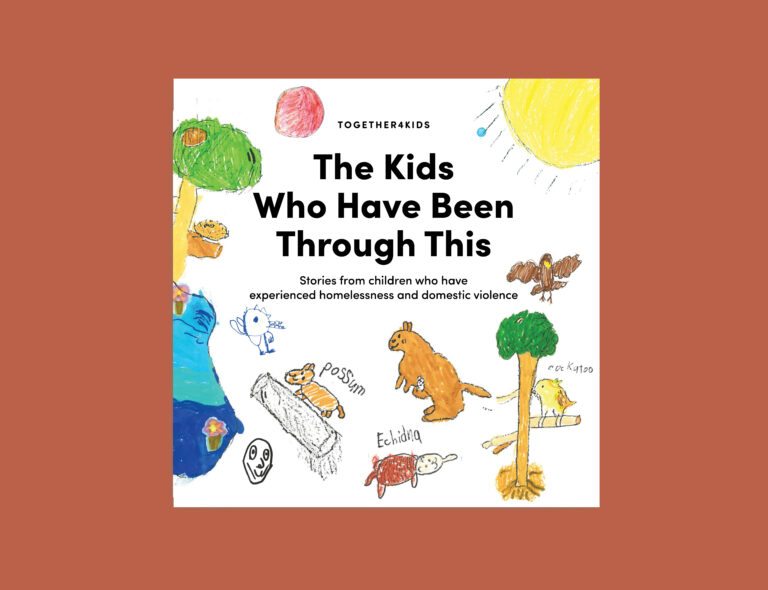
The Together4Kids (T4K) Book Club Project brought together children and parents of toddlers and babies to write and illustrate a children’s book, drawing on their experiences of homelessness and domestic violence.

You are not alone: Multicultural support for gambling harm in South Australia

Video.Individuals.Finances + Gambling.Multicultural

You are not alone: Multicultural support for gambling harm in South Australia

It can be hard to know if gambling has crossed the line from being a fun activity to becoming a problem. Language barriers can make it especially hard to know where to get help. Recognise the early signs of gambling harm and learn how to get help.

Join Our Newsletter

choice(Потребан)