


Naa Marni Niipurna

Hello Friends

Our understanding of relationships is inspired and informed by Aboriginal and Torres Strait Islander People’s knowledge and practice that sees all things as interrelated.

Kaurna

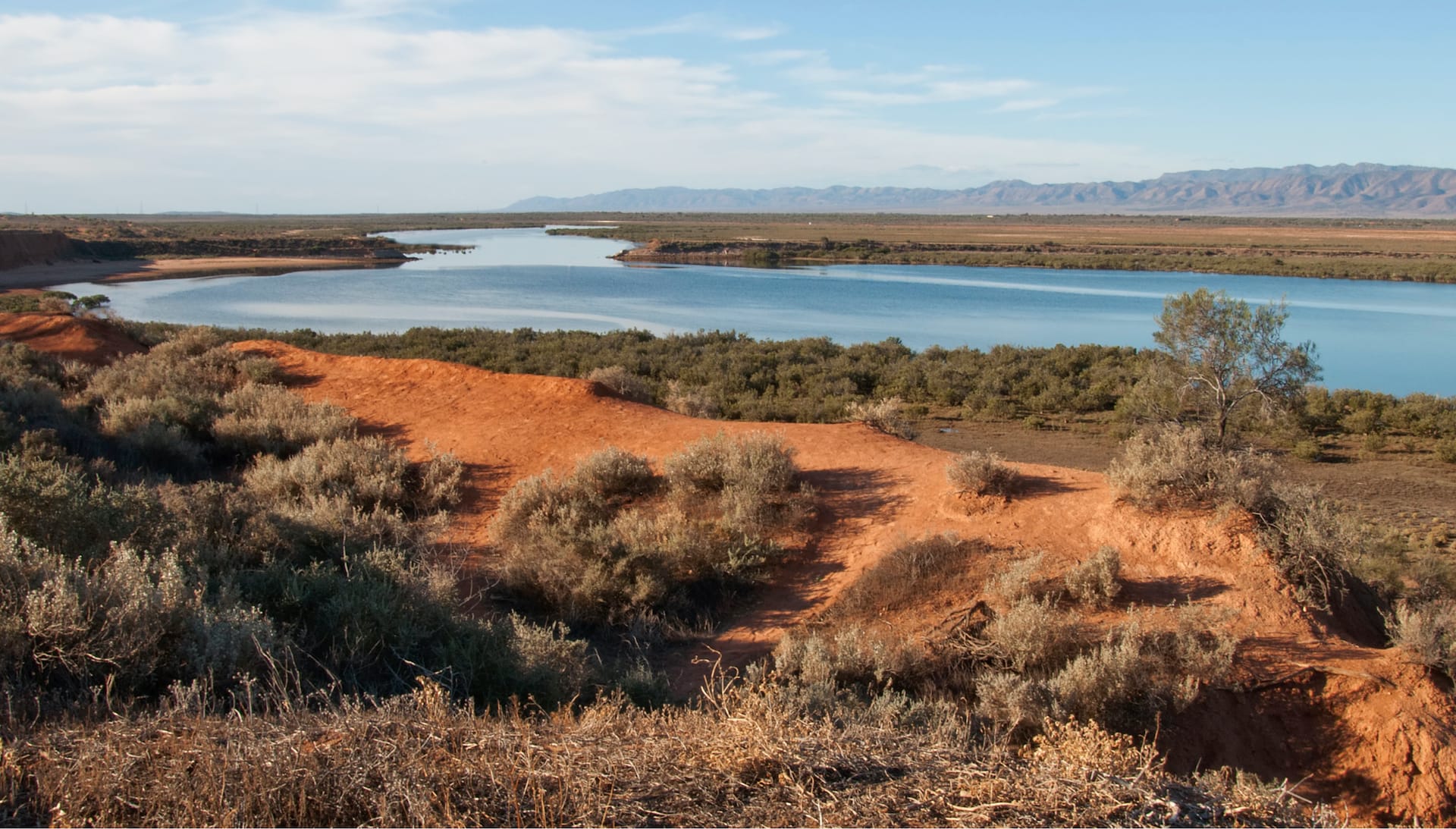
Kaurna Land spans from Crystal Brook in the north. Cape Jervois in the south, the Adelaide hills in the east and waters in the west. Kaurna land borders Nukunu, Ngarrindjeri, Peramangk, Narungga and Ngadjuri. The term ‘Kaurna’ likely finds 
it’s roots from the neighbouring Ramindjeri/Ngarrindjeri language, showing the closeness between Aboriginal lands.

We acknowledge the Traditional Lands of the Kaurna People and we respect and support their Spiritual, Physical, Intellectual and Emotional relationship with their Country.

We acknowledge the Traditional Lands
of the Kaurna People
and we respect and support their
Spiritual, Physical,
Intellectual and Emotional
relationship with their Country.

Our understanding of relationships is inspired and informed by Aboriginal and Torres Strait Islander People’s knowledge and practice that sees all things as interrelated.

PERAMANGK

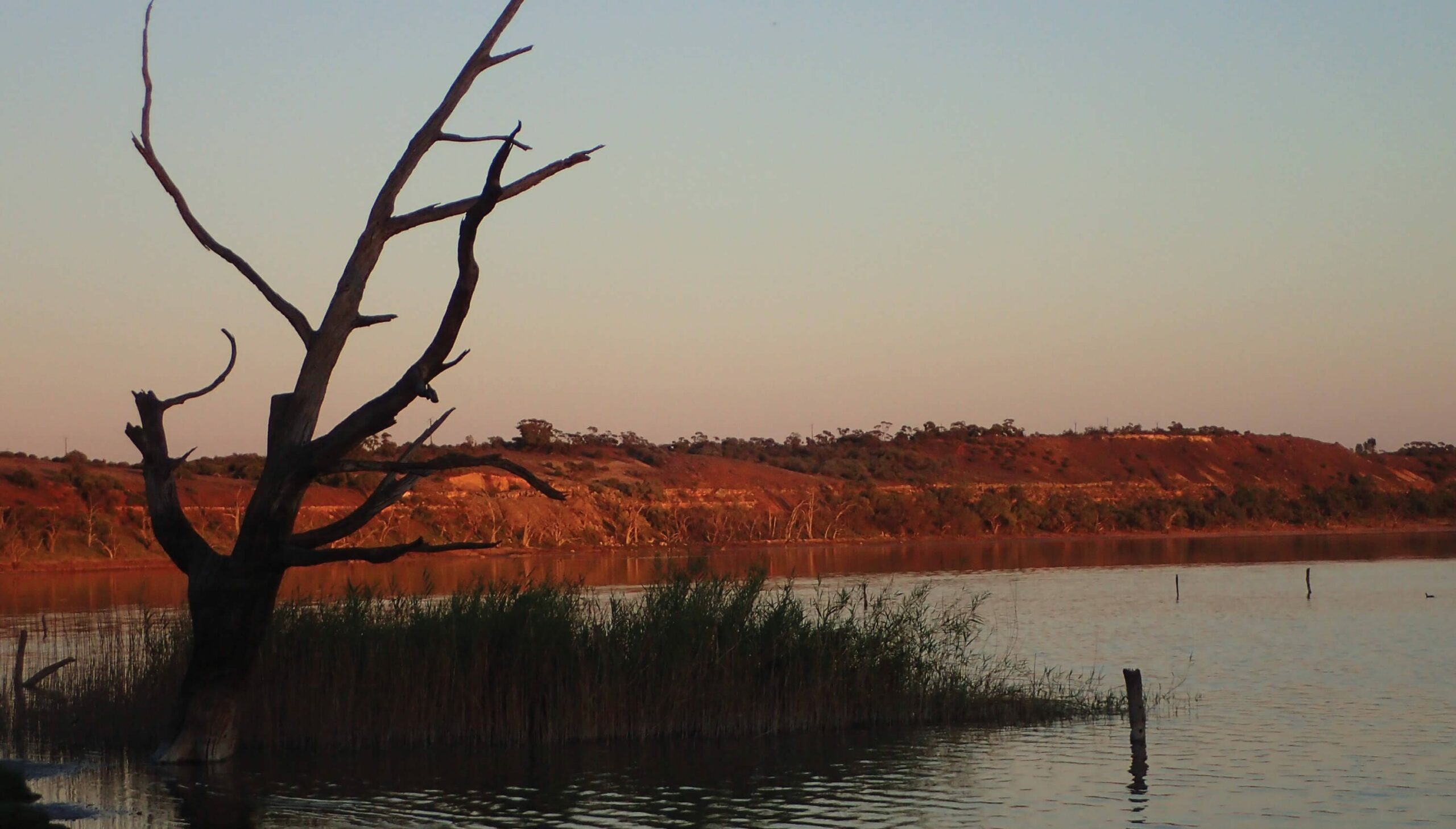
Peramangk country extends from the foothills above the Adelaide Plains, north from Mount Barker through Harrogate, Gumeracha, Mount Pleasant, and Springton to the Angaston and Gawler districts in the Barossa, and south to Strathalbyn and Myponga on 
the Fleurieu Peninsula. There are also sites along the River Murray to the east where Peramangk people had access to the river. “Peramangk” is a combination of words ‘Pera’ – place on the tiered range of mount lofty and ‘Maingker’ – red ochre skin warrior.

We acknowledge the Traditional Lands of the Peramangk People
and we respect and support their Spiritual, Physical, Intellectual and Emotional relationship with their Country.

We acknowledge the Traditional Lands
of the Peramangk People
and we respect and support their
Spiritual, Physical,
Intellectual and Emotional
relationship with their Country.

Our understanding of relationships is inspired and informed by Aboriginal and Torres Strait Islander People’s knowledge and practice that sees all things as interrelated.

Erawirung

Erawirung refers to the Yirawirung and Jirawirung people whose lands are located on the upper reaches of the Murray River in the Berri Riverland. The Riverland also refers to areas surrounding such as: Ngaiawang, Ngawait, Nganguruku, Ngintait, Ngaralte, Ngarkat and small parts of Maraura and Daanggali.

We acknowledge the Traditional Lands of the Erawirung People and we respect and support their Spiritual, Physical, Intellectual and Emotional relationship with their Country.

We acknowledge the Traditional Lands
of the Erawirung People
and we respect and support their
Spiritual, Physical,
Intellectual and Emotional
relationship with their Country.

Our understanding of relationships is inspired and informed by Aboriginal and Torres Strait Islander People’s knowledge and practice that sees all things as interrelated.

BOANDIK

Boandik country is located in the Mount Gambier region. “Boandik” or “Bunganditji” means ‘People of the Reeds’.

We acknowledge the Traditional Lands of the Boandik People and we respect and support their Spiritual, Physical, Intellectual and Emotional relationship with their Country.

We acknowledge the Traditional Lands
of the Boandik People
and we respect and support their
Spiritual, Physical,
Intellectual and Emotional
relationship with their Country.

Our understanding of relationships is inspired and informed by Aboriginal and Torres Strait Islander People’s knowledge and practice that sees all things as interrelated.

kurdnatta

Kurdnatta country is located in the Port Augusta region. This area also includes the lands of the Barngarla and Nukunu people. “Kurdnatta” means ‘Place of Drifting Sand’.

We acknowledge the Traditional Lands of the Kurdnatta People and we respect and support their Spiritual, Physical, Intellectual and Emotional relationship with their Country.

We acknowledge the Traditional Lands
of the Kurdnatta People
and we respect and support their
Spiritual, Physical,
Intellectual and Emotional
relationship with their Country.

Next
Next

We come together as RASA, a not-for-profit organisation that exists on the lands of Kaurna . Tarntanya . Kuntu . Yartapuulti . Warraparinga . Para Wirra . Peramangk . Erawirung . Boandik . Kurdnatta .

RASA recognises the world’s oldest continuous living culture. For more than 65,000 years the original custodians welcomed all people to their Lands. They taught us responsibility, reciprocity and connections to these lands, knowing we are all visitors to these places that we live, work, and enjoy.

We acknowledge the importance of knowing these countries, to recognise the Aboriginal and Torres Strait Islander people, their Elders, their communities, their stories. When we learn about Country we recognise the care for the lands, skies, waters, plants, and animals that has always been a part of Aboriginal cultures.

We come together as RASA,
a not-for-profit organisation that
exists on the lands of
Kaurna . Tarntanya . Kuntu .
Yartapuulti . Warraparinga .
Para Wirra . Peramangk . Erawirung .
Boandik . Kurdnatta .

RASA recognises the world’s oldest
continuous living culture. For more
than 65,000 years the original
custodians welcomed all people to
their Lands. They taught us
responsibility, reciprocity and
connections to these lands,
knowing we are all visitors to these
places that we live, work, and enjoy.

We acknowledge the importance of
knowing these countries, to recognise
the Aboriginal and Torres Strait
Islander people, their Elders,
their communities, their stories.
When we learn about Country we
recognise the care for the lands,
skies, waters, plants, and animals
that has always been a part of
Aboriginal cultures.

We are conscious of our privilege to be here, doing the work that we do.
We understand that this privilege comes from the ongoing violation of these
lands which continues to harm Aboriginal and Torres Strait Islander people's

relationships, health, wellbeing and aspirations.

RASA embraces the opportunity to learn from the knowledge and wisdom of First Nations peoples. The knowledge and wisdom we absorb inspires us to work restoratively,
with open-mindedness and holistically, to foster meaningful change in future lives.

We believe that walking in harmony depends on our ability as an organisation to listen, appreciate, collaborate, learn, and speak up.

We are conscious of our privilege to
be here, doing the work that we do.
We understand that this privilege
comes from the ongoing violation
of these lands which continues to
harm Aboriginal and Torres Strait
Islander people's relationships,
health, wellbeing and aspirations.

RASA embraces the opportunity to
learn from the knowledge and
wisdom of First Nations peoples.
The knowledge and wisdom we
absorb inspires us to work
restoratively, with open-mindedness
and holistically, to foster meaningful
change in future lives.

We believe that walking in harmony
depends on our ability as an
organisation to listen, appreciate,
collaborate, learn, and speak up.

This is, was and always will be, Aboriginal land, water and songlines.

This is, was and always will be,
Aboriginal land, water and songlines.

Respectful Relationships: A Conversation Starter for Families

By Relationships Australia

Our Together4Kids conversation starter resource is designed to help families pause, check in, and learn together what respectful relationships look, sound, and feel like in everyday life. 

This one‑page resource supports meaningful conversations between parents, carers, and children, encouraging everyone to reflect on their own behaviours while helping adults role model the values and actions that support children’s healthy social and emotional development. 

Below is a deeper look at each part of the resource to help families use it with confidence and purpose. 

What Respectful Relationships Look Like

Caring for Others 

Caring for others means noticing how people around us are feeling and responding with empathy and kindness. In everyday family life, this can look like: 

  • Offering help when someone is struggling 
  • Checking in when a family member seems upset or withdrawn 
  • Showing patience during stressful or busy moments 

Children learn caring behaviours by watching how adults respond to others, especially during challenging situations. 

Accepting Difference 

Respectful relationships recognise and value that everyone is different. Accepting difference involves: 

  • Respecting different opinions, cultures, abilities, and identities 
  • Allowing children to express who they are without judgement 
  • Talking openly about differences in a calm and supportive way 

When families model acceptance, children learn that differences are normal and something to be respected, not feared. 

Connection 

Connection is about feeling close, supported, and valued within relationships. This can look like: 

  • Spending quality time together, even in small moments 
  • Being emotionally present during conversations 
  • Showing interest in each other’s experiences and feelings 

Strong connections help children feel secure and supported as they grow. 

What Respectful Relationships Sound Like

Kind Words 

The language we use matters. Kind words help build trust and emotional safety. This includes: 

  • Speaking calmly, even when emotions are high 
  • Using words that encourage rather than criticise 
  • Modelling respectful communication during disagreements 

Children often mirror the way adults speak, making kind language a powerful teaching tool. 

Forgiving Mistakes 

Mistakes are part of learning and growing. Forgiveness in families means: 

  • Acknowledging mistakes without shame 
  • Taking responsibility and offering genuine apologies 
  • Allowing space to repair relationships after conflict 

This helps children learn resilience and accountability, rather than fear of getting things wrong. 

Resolving Problems 

Respectful problem‑solving shows children how to manage conflict safely. This can involve: 

  • Listening to each other’s perspectives 
  • Finding solutions together 
  • Avoiding blame, yelling, or threats 

These skills support children to navigate relationships beyond the family, including school and friendships.

What Respectful Relationships Feel Like

Being Heard 

Feeling heard means knowing that thoughts and feelings matter. Families can support this by: 

  • Listening without interrupting 
  • Validating children’s emotions, even when limits are needed 
  • Encouraging children to express themselves safely 

Having Choices 

Offering age‑appropriate choices supports independence and confidence. This may include: 

  • Letting children make small decisions where possible 
  • Explaining boundaries clearly and respectfully 
  • Involving children in problem‑solving 

Feeling Safe 

Safety is the foundation of respectful relationships. Feeling safe includes: 

  • Emotional safety, where feelings are not dismissed or ridiculed 
  • Physical safety, free from fear or harm 
  • Predictable routines and clear expectations 

Respectful Touch 

Respectful touch means understanding boundaries and consent. This involves: 

  • Asking before physical contact 
  • Respecting when someone says no 
  • Teaching children that their bodies belong to them 

These conversations help children develop lifelong understanding of consent and personal boundaries.   

Using This Resource

You can download the PDF of this resource here. 

This conversation starter is designed to be used by families in a way that feels right for them. You might choose to: 

  • Talk through one section at a time 
  • Use it during everyday moments, such as mealtimes or car rides 
  • Revisit it as children grow and family situations change 

There are no right or wrong answers – the goal is to encourage open, respectful conversations and learning together. 

Relationships Australia SA offers a range of support services for families and parents. For more resources for children and parents visit Together 4 Kids. For local support services visit  Adults Supporting Kids (ASK). Visit Crisis Help + Support to find other trusted organisations that offer support for adults, children, and families. 

Service Acknowledgment

The Child Focused Support Service (Together4Kids) is provided by Relationships Australia SA and funded by the Government of South Australia, Department of Human Services, Housing Authority.

If you feel like you need extra support Relationships Australia SA also offers a range of services for families and children and youth that can help. Together4Kids provides therapeutic support to children aged 0–12 to help them: overcome trauma, strengthen children’s ability to deal with difficult feelings and reactions, and adjust to family changes and disruptions. Get in touch with us today.
Connect With Us

Join Our Newsletter

Receive the latest news and content.

Helpful Resources

Discover the latest from our Knowledge Hub.

Share the Care: Creating a Child-Focused Parenting Plan During Separation

Helpful Resources.Families.Separation

Share the Care: Creating a Child-Focused Parenting Plan During Separation

Separation can be one of the most challenging times for children and parents alike. Share the Care: Parenting Plan – Collaborative Parenting Apart is a practical guide for separating parents. It offers a roadmap to build a customised written plan for how children will be supported, cared for and connected – now and as their lives evolve.

South Australia’s Donor Conception Laws Explained

Helpful Resources.Individuals.Donor Conception

South Australia’s Donor Conception Laws Explained

Donor conception laws in South Australia changed in February 2025 to give donor-conceived people the right to access information about their genetic heritage. Learn what these changes mean and how our Donor Conception Register (DCR) Support Service can support you and your family.

The Together4Kids Book Club Project

e-Book.Families.Family and Domestic Violence

The Together4Kids Book Club Project

The Together4Kids (T4K) Book Club Project brought together children and parents of toddlers and babies to write and illustrate a children’s book, drawing on their experiences of homelessness and domestic violence.

Join Our Newsletter

choice(Required)