



Naa Marni Niipurna

Hello Friends

Our understanding of relationships is inspired and informed by Aboriginal and Torres Strait Islander People’s knowledge and practice that sees all things as interrelated.

Kaurna

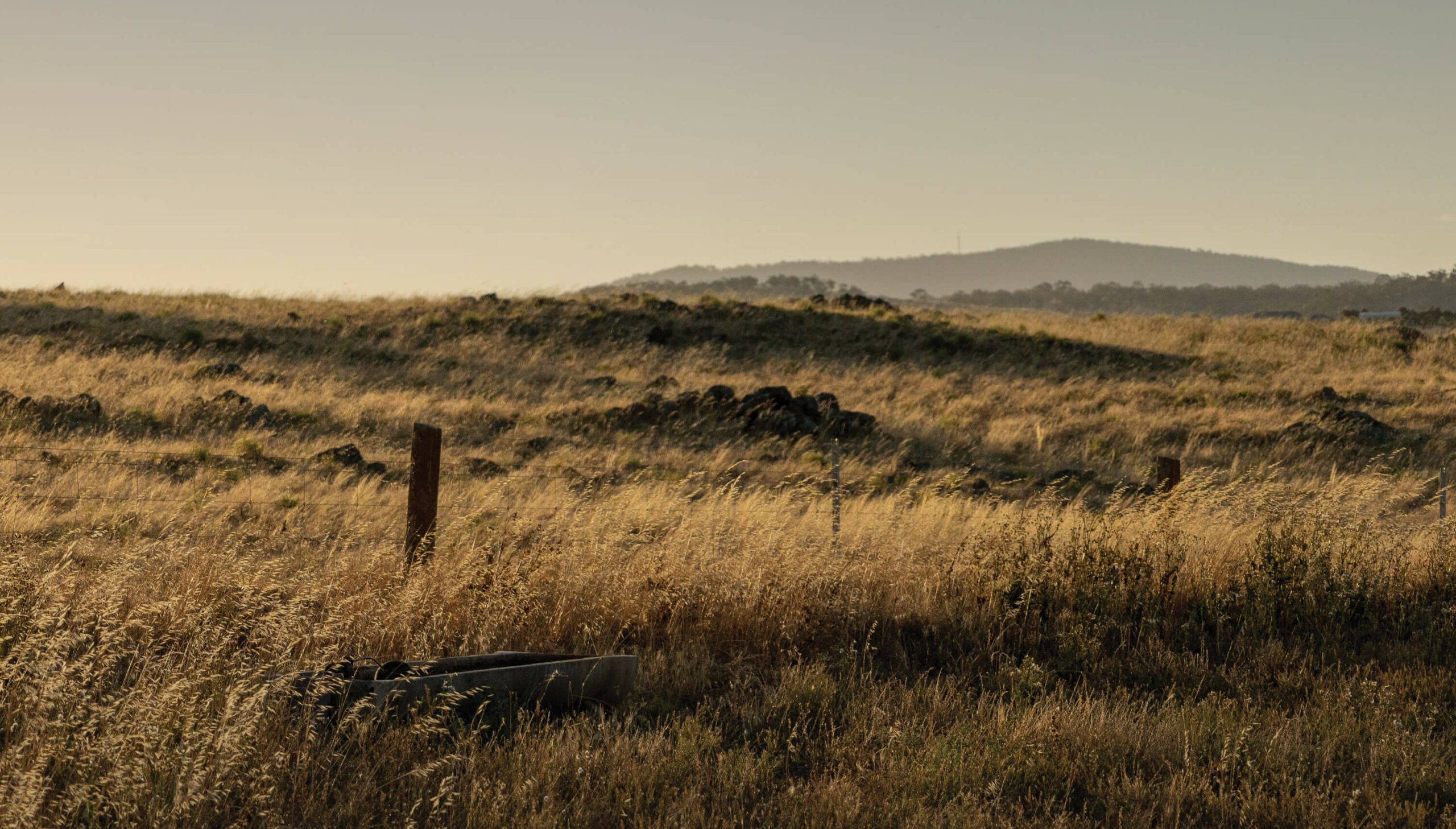
Kaurna Land spans from Crystal Brook in the north. Cape Jervois in the south, the Adelaide hills in the east and waters in the west. Kaurna land borders Nukunu, Ngarrindjeri, Peramangk, Narungga and Ngadjuri. The term ‘Kaurna’ likely finds 
it’s roots from the neighbouring Ramindjeri/Ngarrindjeri language, showing the closeness between Aboriginal lands.

We acknowledge the Traditional Lands of the Kaurna People and we respect and support their Spiritual, Physical, Intellectual and Emotional relationship with their Country.

We acknowledge the Traditional Lands
of the Kaurna People
and we respect and support their
Spiritual, Physical,
Intellectual and Emotional
relationship with their Country.

Our understanding of relationships is inspired and informed by Aboriginal and Torres Strait Islander People’s knowledge and practice that sees all things as interrelated.

PERAMANGK

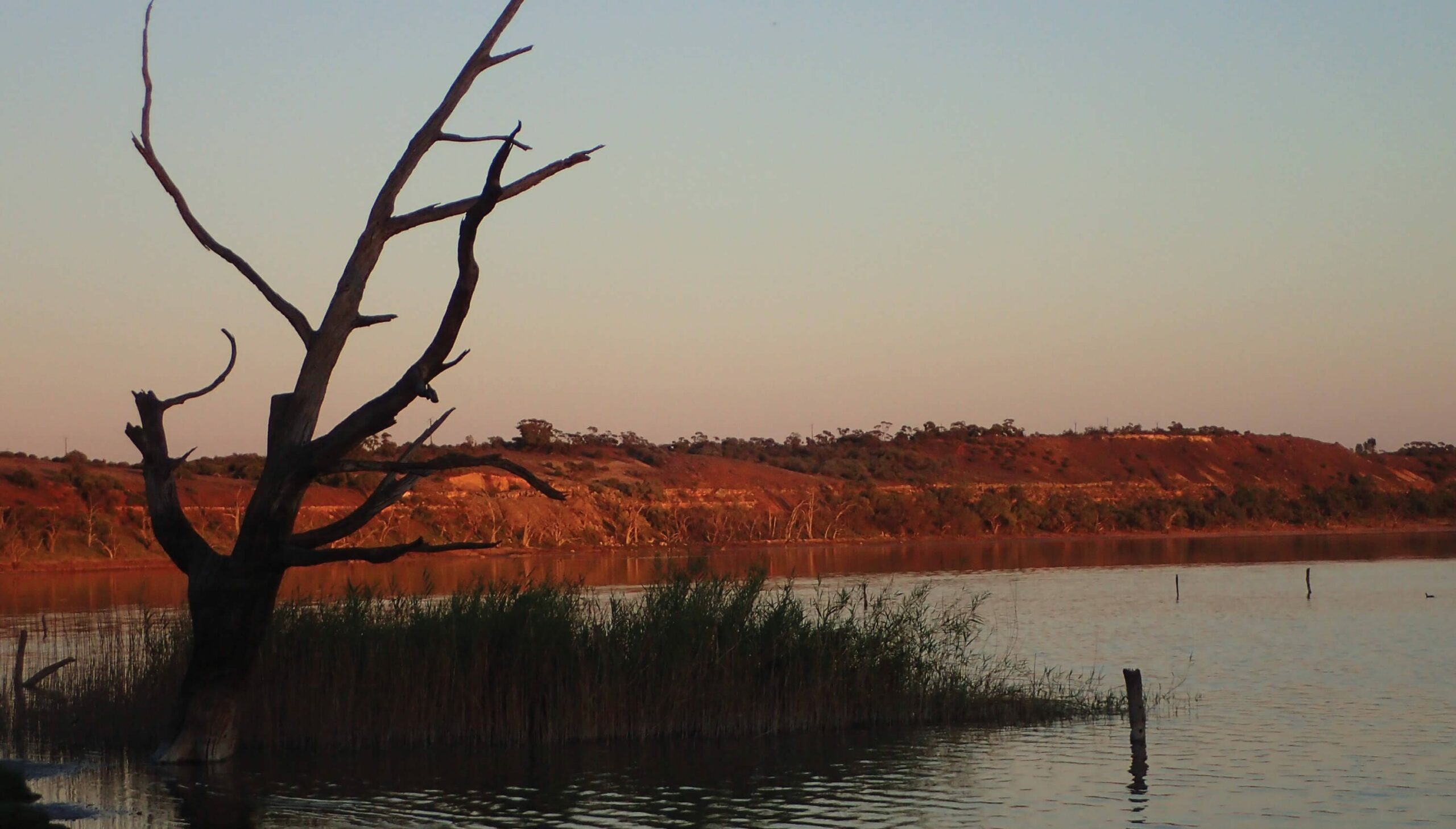
Peramangk country extends from the foothills above the Adelaide Plains, north from Mount Barker through Harrogate, Gumeracha, Mount Pleasant, and Springton to the Angaston and Gawler districts in the Barossa, and south to Strathalbyn and Myponga on 
the Fleurieu Peninsula. There are also sites along the River Murray to the east where Peramangk people had access to the river. “Peramangk” is a combination of words ‘Pera’ – place on the tiered range of mount lofty and ‘Maingker’ – red ochre skin warrior.

We acknowledge the Traditional Lands of the Peramangk People
and we respect and support their Spiritual, Physical, Intellectual and Emotional relationship with their Country.

We acknowledge the Traditional Lands
of the Peramangk People
and we respect and support their
Spiritual, Physical,
Intellectual and Emotional
relationship with their Country.

Our understanding of relationships is inspired and informed by Aboriginal and Torres Strait Islander People’s knowledge and practice that sees all things as interrelated.

Erawirung

Erawirung refers to the Yirawirung and Jirawirung people whose lands are located on the upper reaches of the Murray River in the Berri Riverland. The Riverland also refers to areas surrounding such as: Ngaiawang, Ngawait, Nganguruku, Ngintait, Ngaralte, Ngarkat and small parts of Maraura and Daanggali.

We acknowledge the Traditional Lands of the Erawirung People and we respect and support their Spiritual, Physical, Intellectual and Emotional relationship with their Country.

We acknowledge the Traditional Lands
of the Erawirung People
and we respect and support their
Spiritual, Physical,
Intellectual and Emotional
relationship with their Country.

Our understanding of relationships is inspired and informed by Aboriginal and Torres Strait Islander People’s knowledge and practice that sees all things as interrelated.

BOANDIK

Boandik country is located in the Mount Gambier region. “Boandik” or “Bunganditji” means ‘People of the Reeds’.

We acknowledge the Traditional Lands of the Boandik People and we respect and support their Spiritual, Physical, Intellectual and Emotional relationship with their Country.

We acknowledge the Traditional Lands
of the Boandik People
and we respect and support their
Spiritual, Physical,
Intellectual and Emotional
relationship with their Country.

Our understanding of relationships is inspired and informed by Aboriginal and Torres Strait Islander People’s knowledge and practice that sees all things as interrelated.

kurdnatta

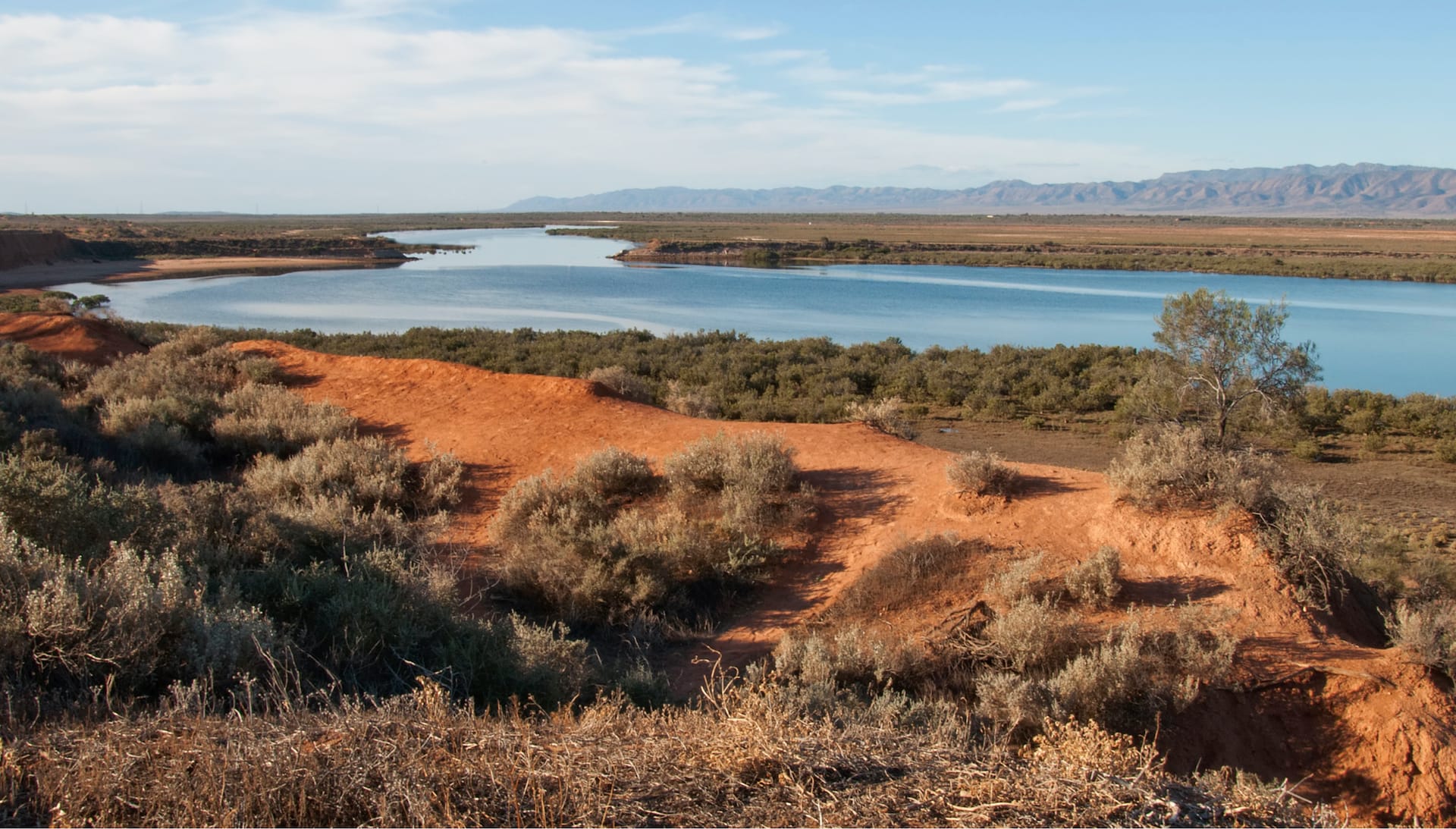
Kurdnatta country is located in the Port Augusta region. This area also includes the lands of the Barngarla and Nukunu people. “Kurdnatta” means ‘Place of Drifting Sand’.

We acknowledge the Traditional Lands of the Kurdnatta People and we respect and support their Spiritual, Physical, Intellectual and Emotional relationship with their Country.

We acknowledge the Traditional Lands
of the Kurdnatta People
and we respect and support their
Spiritual, Physical,
Intellectual and Emotional
relationship with their Country.

Next
Next

We come together as RASA, a not-for-profit organisation that exists on the lands of Kaurna . Tarntanya . Kuntu . Yartapuulti . Warraparinga . Para Wirra . Peramangk . Erawirung . Boandik . Kurdnatta .

RASA recognises the world’s oldest continuous living culture. For more than 65,000 years the original custodians welcomed all people to their Lands. They taught us responsibility, reciprocity and connections to these lands, knowing we are all visitors to these places that we live, work, and enjoy.

We acknowledge the importance of knowing these countries, to recognise the Aboriginal and Torres Strait Islander people, their Elders, their communities, their stories. When we learn about Country we recognise the care for the lands, skies, waters, plants, and animals that has always been a part of Aboriginal cultures.

We come together as RASA,
a not-for-profit organisation that
exists on the lands of
Kaurna . Tarntanya . Kuntu .
Yartapuulti . Warraparinga .
Para Wirra . Peramangk . Erawirung .
Boandik . Kurdnatta .

RASA recognises the world’s oldest
continuous living culture. For more
than 65,000 years the original
custodians welcomed all people to
their Lands. They taught us
responsibility, reciprocity and
connections to these lands,
knowing we are all visitors to these
places that we live, work, and enjoy.

We acknowledge the importance of
knowing these countries, to recognise
the Aboriginal and Torres Strait
Islander people, their Elders,
their communities, their stories.
When we learn about Country we
recognise the care for the lands,
skies, waters, plants, and animals
that has always been a part of
Aboriginal cultures.

We are conscious of our privilege to be here, doing the work that we do.
We understand that this privilege comes from the ongoing violation of these
lands which continues to harm Aboriginal and Torres Strait Islander people's

relationships, health, wellbeing and aspirations.

RASA embraces the opportunity to learn from the knowledge and wisdom of First Nations peoples. The knowledge and wisdom we absorb inspires us to work restoratively,
with open-mindedness and holistically, to foster meaningful change in future lives.

We believe that walking in harmony depends on our ability as an organisation to listen, appreciate, collaborate, learn, and speak up.

We are conscious of our privilege to
be here, doing the work that we do.
We understand that this privilege
comes from the ongoing violation
of these lands which continues to
harm Aboriginal and Torres Strait
Islander people's relationships,
health, wellbeing and aspirations.

RASA embraces the opportunity to
learn from the knowledge and
wisdom of First Nations peoples.
The knowledge and wisdom we
absorb inspires us to work
restoratively, with open-mindedness
and holistically, to foster meaningful
change in future lives.

We believe that walking in harmony
depends on our ability as an
organisation to listen, appreciate,
collaborate, learn, and speak up.

This is, was and always will be, Aboriginal land, water and songlines.

This is, was and always will be,
Aboriginal land, water and songlines.

How Let’s Connect Helps You Understand Your Child’s Behaviour

By Relationships Australia

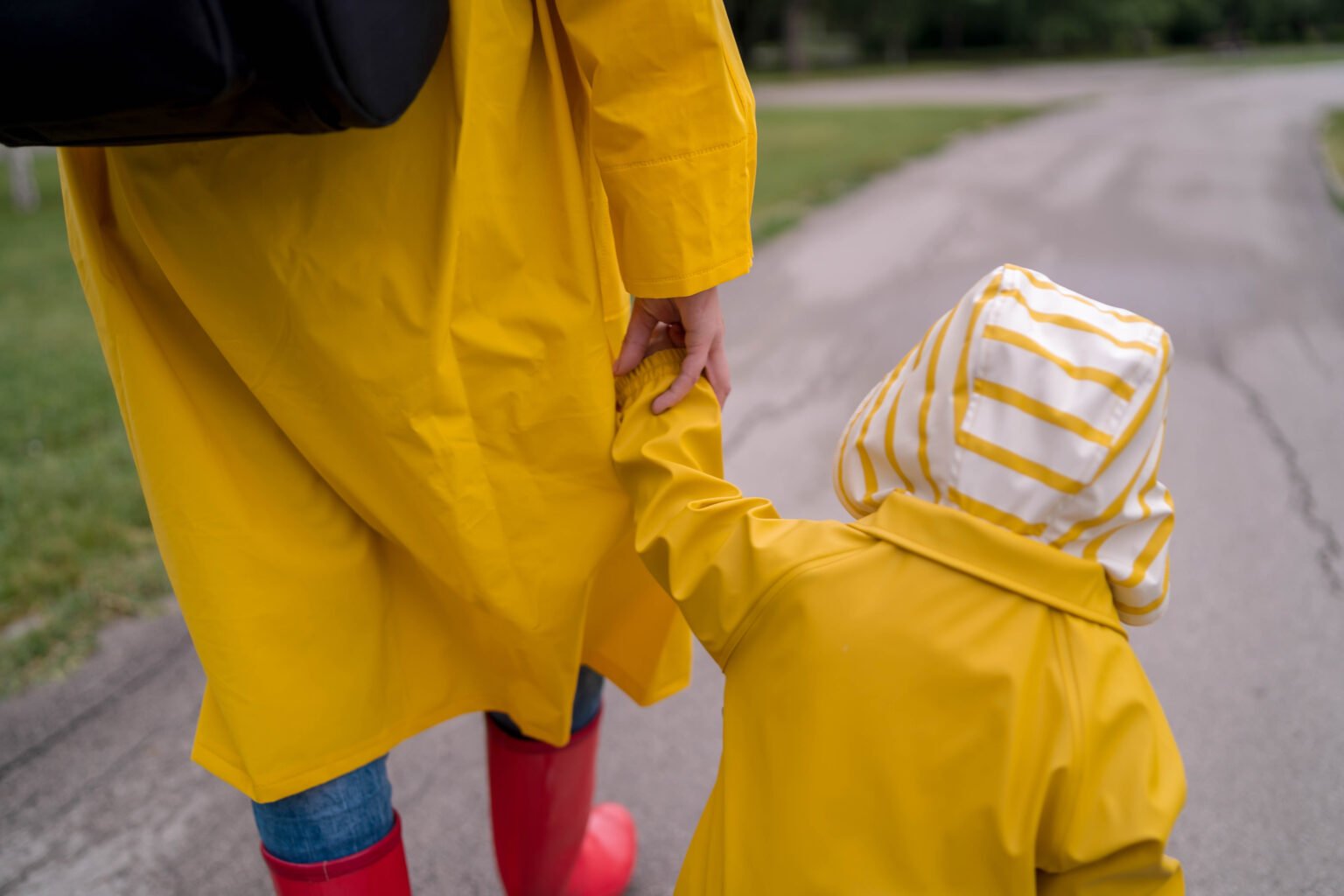
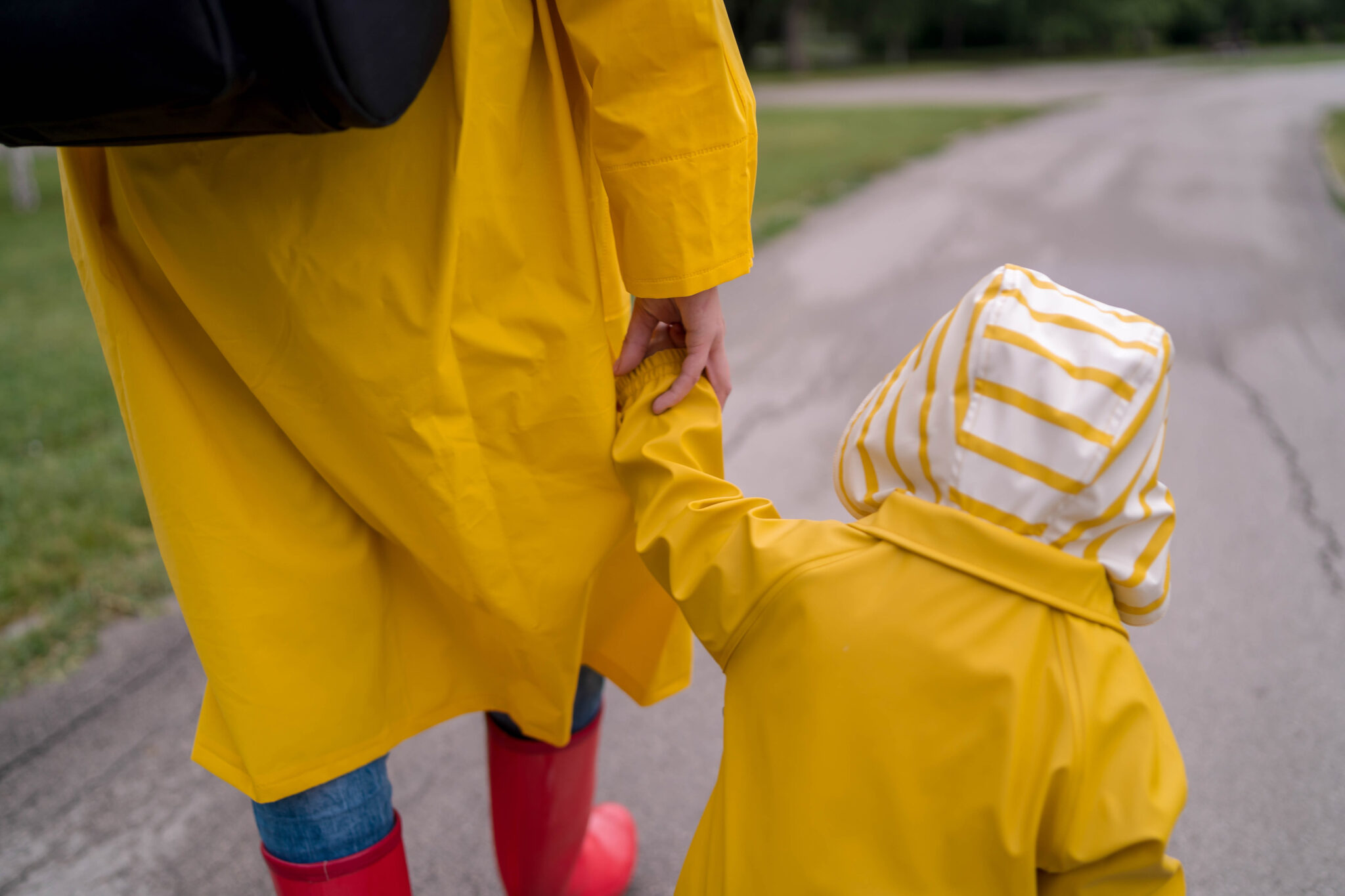
A mother and young child walking hand in hand through a park

The Let’s Connect Game is a free online tool developed by Relationships Australia SA to help parents and carers practise responding to everyday parenting moments with connection and care. It presents realistic scenarios where a child’s behaviour is communicating something, and invites you to slow down, tune in, and consider how you want to respond.

Below is a closer look at how the game works and why understanding what’s behind your child’s behaviour can strengthen your relationship with them.

What is your childs' behaviour telling you?

Your child just used your credit card to buy something online. Or they’re refusing to brush their teeth, again. In that moment, how do you respond?

Most parents and carers know these situations well. They happen fast, they’re stressful, and it’s easy to react before you’ve had time to think. But what if you had a chance to slow down, consider what your child might be feeling, and explore how to stay connected in those moments?

A free tool built for real parenting moments

The Let’s Connect Game is a free, mobile-friendly online game developed by the Children and Parenting Support team at Relationships Australia SA. It’s quick to play, works on any device, and doesn’t require a sign-up or download.

The game presents you with a series of realistic scenarios, each featuring a child whose behaviour is communicating something.

Rather than testing you for the ‘right’ answer, it’s a chance to pause, tune in to what your child might need, and think about how you want to show up in that moment.

How does it work?

The choices you make are categorised across three areas: how well you identified and responded to your child’s emotional needs, how well you looked after your own wellbeing, and how effectively you nurtured your bond with your child.

Some scenarios will be timed, reflecting the split-second decisions parents often face.

Why behaviour is communication

Children don’t always have the words to tell us what they’re feeling. Instead, they show us through their behaviour. A child who is defiant at morning routines might be feeling anxious about the day ahead. A child who takes something without asking might be testing boundaries as a way of seeking connection or attention.

When we can pause and consider what’s behind the behaviour, rather than reacting to it, we’re better placed to respond in a way that builds trust and emotional safety. The game offers a space to notice the emotional need behind the action, to practice regulating your own response, and strengthen your connection with your child.

A tool for professionals too

The Let’s Connect Game was originally developed as a conversation starter. Counsellors, social workers, family support workers and other professionals can use it as a practical, low-barrier entry point for discussions with parents and carers about emotional connection, parenting under pressure, and understanding children’s needs.

Try it yourself

Whether you’re a parent looking for a way to explore how you connect with your child in difficult moments, or a professional looking for a practical tool to use in your work with families, the Let’s Connect Game is free and works on any device.

Play the Let’s Connect Game here

Need extra support?

Relationships Australia SA offers counselling and support for families, children and young people. Call 1300 364 277 to talk to a Family Advisor about the right service for you.

Kids Helpline provides free counselling for young people aged 5 to 25. Call 1800 55 1800 or visit kidshelpline.com.au.

Parentline offers confidential phone support for parents and carers. Call 1300 364 100.

Service Acknowledgment

Children and Parenting Support is funded by the Australian Government Department of Social Services.

The Let’s Connect Game was developed by the Children and Parenting Support team at Relationships Australia SA. Children and Parenting Support provides a range of programs to help parents and carers build stronger connections with their children, including counselling, group programs, and practical resources.
Connect With Us

Join Our Newsletter

Receive the latest news and content.

Helpful Resources

Discover the latest from our Knowledge Hub.

Respectful Relationships: A Conversation Starter for Families

Helpful Resources.Families.Parenting

Respectful Relationships: A Conversation Starter for Families

The Let's Connect Game is a free online tool developed by Relationships Australia SA to help parents and carers practice responding to everyday parenting moments. It presents realistic scenarios and invites you to slow down, tune in to what your child's behaviour might be telling you, and explore how to respond with connection and care.

Share the Care: Creating a Child-Focused Parenting Plan During Separation

Helpful Resources.Families.Separation

Share the Care: Creating a Child-Focused Parenting Plan During Separation

Separation can be one of the most challenging times for children and parents alike. Share the Care: Parenting Plan – Collaborative Parenting Apart is a practical guide for separating parents. It offers a roadmap to build a customised written plan for how children will be supported, cared for and connected – now and as their lives evolve.

South Australia’s Donor Conception Laws Explained

Helpful Resources.Individuals.Donor Conception

South Australia’s Donor Conception Laws Explained

Donor conception laws in South Australia changed in February 2025 to give donor-conceived people the right to access information about their genetic heritage. Learn what these changes mean and how our Donor Conception Register (DCR) Support Service can support you and your family.

Join Our Newsletter

choice(Required)