










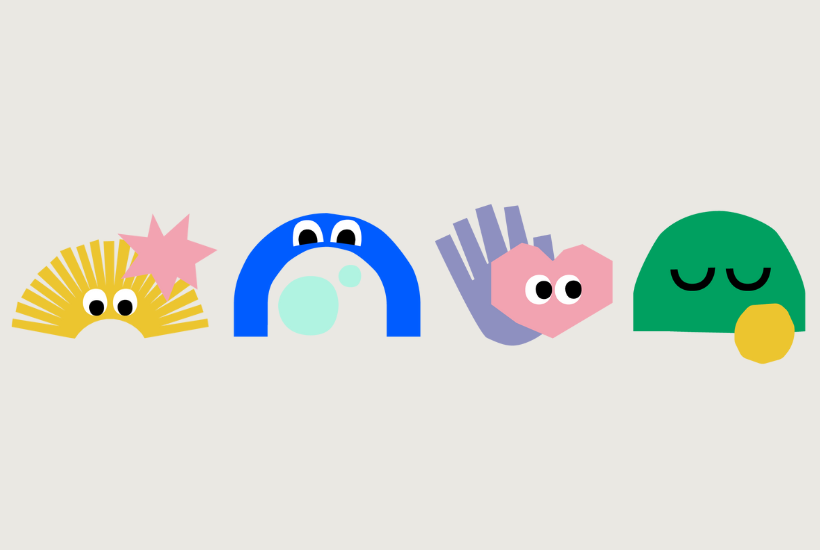
我们的 Together4Kids conversation starter resource is designed to help families pause, check in, and learn together what respectful relationships look, sound, and feel like in everyday life.
This one‑page resource supports meaningful conversations between parents, carers, and children, encouraging everyone to reflect on their own behaviours while helping adults role model the values and actions that support children’s healthy social and emotional development.
Below is a deeper look at each part of the resource to help families use it with confidence and purpose.
What Respectful Relationships Look Like
Caring for Others
Caring for others means noticing how people around us are feeling and responding with empathy and kindness. In everyday family life, this can look like:
- Offering help when someone is struggling
- Checking in when a family member seems upset or withdrawn
- Showing patience during stressful or busy moments
Children learn caring behaviours by watching how adults respond to others, especially during challenging situations.
Accepting Difference
Respectful relationships recognise and value that everyone is different. Accepting difference involves:
- Respecting different opinions, cultures, abilities, and identities
- Allowing children to express who they are without judgement
- Talking openly about differences in a calm and supportive way
When families model acceptance, children learn that differences are normal and something to be respected, not feared.
Connection
Connection is about feeling close, supported, and valued within relationships. This can look like:
- Spending quality time together, even in small moments
- Being emotionally present during conversations
- Showing interest in each other’s experiences and feelings
Strong connections help children feel secure and supported as they grow.
What Respectful Relationships Sound Like
Kind Words
The language we use matters. Kind words help build trust and emotional safety. This includes:
- Speaking calmly, even when emotions are high
- Using words that encourage rather than criticise
- Modelling respectful communication during disagreements
Children often mirror the way adults speak, making kind language a powerful teaching tool.
Forgiving Mistakes
Mistakes are part of learning and growing. Forgiveness in families means:
- Acknowledging mistakes without shame
- Taking responsibility and offering genuine apologies
- Allowing space to repair relationships after conflict
This helps children learn resilience and accountability, rather than fear of getting things wrong.
Resolving Problems
Respectful problem‑solving shows children how to manage conflict safely. This can involve:
- Listening to each other’s perspectives
- Finding solutions together
- Avoiding blame, yelling, or threats
These skills support children to navigate relationships beyond the family, including school and friendships.
What Respectful Relationships Feel Like
Being Heard
Feeling heard means knowing that thoughts and feelings matter. Families can support this by:
- Listening without interrupting
- Validating children’s emotions, even when limits are needed
- Encouraging children to express themselves safely
Having Choices
Offering age‑appropriate choices supports independence and confidence. This may include:
- Letting children make small decisions where possible
- Explaining boundaries clearly and respectfully
- Involving children in problem‑solving
Feeling Safe
Safety is the foundation of respectful relationships. Feeling safe includes:
- Emotional safety, where feelings are not dismissed or ridiculed
- Physical safety, free from fear or harm
- Predictable routines and clear expectations
Respectful Touch
Respectful touch means understanding boundaries and consent. This involves:
- Asking before physical contact
- Respecting when someone says no
- Teaching children that their bodies belong to them
These conversations help children develop lifelong understanding of consent and personal boundaries.
Using This Resource
You can download the PDF of this resource 这里.
This conversation starter is designed to be used by families in a way that feels right for them. You might choose to:
- Talk through one section at a time
- Use it during everyday moments, such as mealtimes or car rides
- Revisit it as children grow and family situations change
There are no right or wrong answers – the goal is to encourage open, respectful conversations and learning together.
Relationships Australia SA 为家庭和父母提供一系列支持服务。如需更多儿童和父母资源,请访问 携手 4 个孩子. 对于本地支持服务我CES 访问成人支持儿童 (ASK)。 访问 危机帮助 + 支持寻找其他值得信赖的 组织 为成人、儿童和家庭提供支持。
服务确认
儿童中心支持服务 (Together4Kids) 由 Relationships Australia SA 提供,并由南澳大利亚州政府、人类服务部、住房管理局资助。
如果你觉得你需要额外的支持,Relationships Australia SA 还提供一系列服务 家庭 和 儿童和青少年 这可以有所帮助。 Together4Kids 为 0-12 岁的儿童提供治疗支持,帮助他们:克服创伤,增强儿童应对困难感受和反应的能力,并适应家庭变化和不安。 保持联系 今天就和我们一起



 Chinese (China)
  English
  Arabic
  Chinese (Hong Kong)
  Greek
Greek  Italian
  Korean
  Panjabi
  Serbian
  Thai
Thai  Vietnamese
  Facebook
 推特
推特 领英
领英 电子邮件
电子邮件